Ecotone
Ongoing Photography and installation series




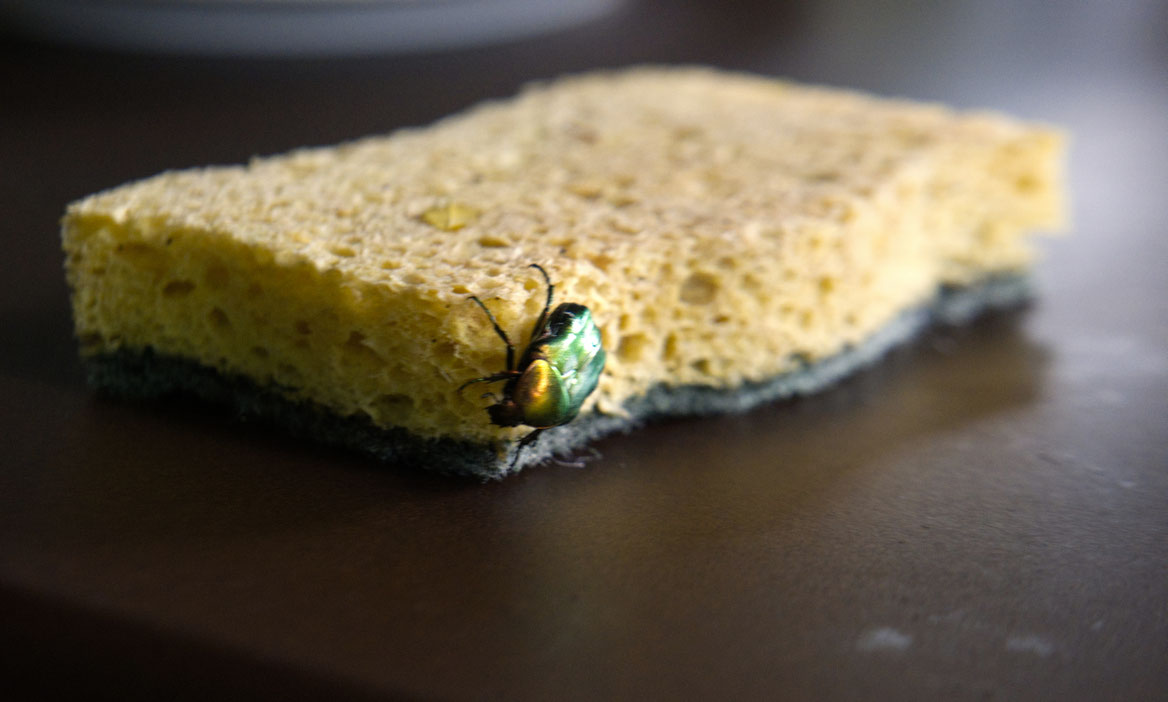
In these images, living beings without distinction of species at the edges of city and nature, humanity and animality meet and surprise each other. An ecotone is an ecological transition zone between two distinct ecosystems, where species coexist and interact. This notion of ecotone, derived from ecology, designates for example the edge of a forest meeting a meadow. These zones are characterized by increased biodiversity and unique interactions between species. This zone is the site of new ecological dynamics involving both humans and animals.
I will therefore explore the margins that the city leaves to the living world, these interstices between urbanity and landscape, within which humans and animals cross paths unexpectedly, where fauna and flora are the product of the encounter of separate ecosystems. These transition zones are all the more crucial in an urban context where capitalism and modern urbanism have often led to spatial segregation based on income and functions, creating invisible boundaries within cities themselves.
Ecotone (Definition)
An ecotone is a transitional zone between two adjacent ecological communities or ecosystems, where species from both habitats coexist and interact. These boundary regions are characterized by increased biodiversity and unique ecological dynamics, as they contain species from both neighboring ecosystems as well as organisms specifically adapted to the edge environment itself. The term was first introduced by ecologist Alfred Clements in 1905.
National Geographic Education :
https://education.nationalgeographic.org/resource/ecotone/
Encyclopædia Britannica :
https://www.britannica.com/science/ecotone